
A roof leak can look simple from inside the property. A damp patch appears on a ceiling, water marks form near a chimney breast, or a gutter overflows in heavy rain. The tempting response is to patch the nearest visible defect and hope the problem has gone.
Good roof repairs start differently. Before any repair is planned, a roofer should trace the fault properly, understand how water is entering, and confirm the route it is taking through the roof structure. That diagnostic work is what separates a useful repair from another temporary patch.
What fault tracing means in roof repairs
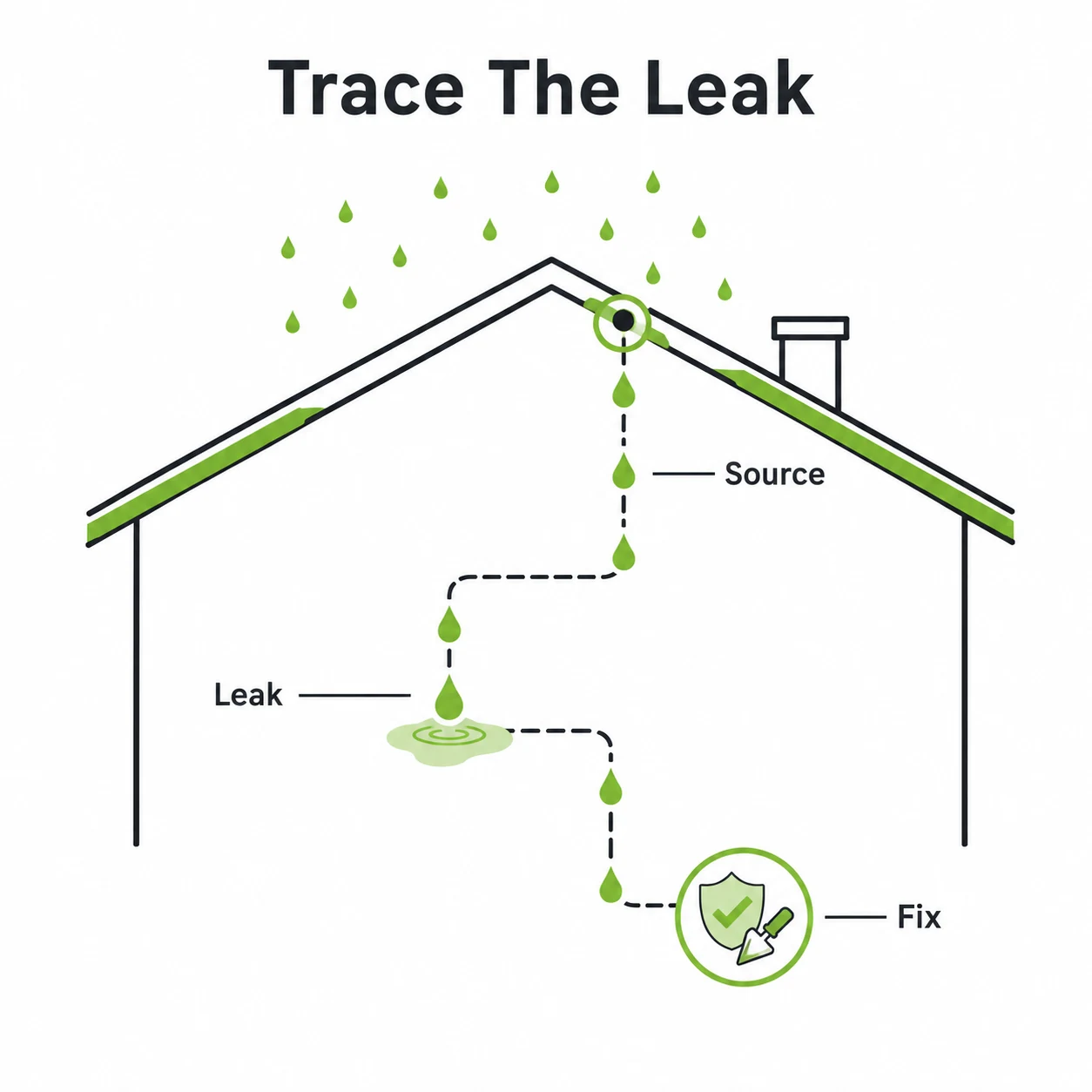
Fault tracing is the process of finding the true cause of a roofing problem before deciding how to repair it. It is not just a quick look at the area above a leak. Water can travel along felt, battens, rafters, insulation, plasterboard, pipework, cables and wall cavities before it becomes visible inside a room.
That means the stain on the ceiling may not sit directly below the defect on the roof. A cracked tile, slipped slate, failed lead flashing detail, blocked valley, loose ridge, damaged pointing, split membrane or tired gutter joint can all send water to a different place before it shows itself.
Proper fault tracing usually brings together several checks:
- Looking at the internal damage and noting when it appears, such as after wind driven rain or prolonged rainfall.
- Inspecting the roof covering, flashings, gutters, valleys, verges and abutments.
- Checking loft spaces where access is available, including signs of staining, rot, mould, condensation and failed underlay.
- Considering nearby building fabric, including render, brickwork, pointing and roofline details.
- Using access equipment or aerial survey methods where they give a clearer view.
The aim is simple. A professional roofer should know what they are repairing, why it has failed, and whether any connected issue also needs attention.
Why visible leaks can be misleading
Roofs are designed to shed water in layers. Tiles or slates form the first line of defence, but water management also depends on flashings, underlay, laps, falls, gutters and the way each junction is built. When one detail fails, water may not take a straight path.
For example, water entering near a chimney may run along a timber member before dripping several feet away. A blocked valley may force water beneath roof coverings during heavy rain, while the internal damp mark appears near an unrelated ceiling edge. A gutter problem can soak masonry, which then presents as internal damp rather than an obvious roof leak.
This is why repeated patch repairs can become frustrating for property owners. Each patch may address something real, but if it is not the actual route of water ingress, the symptom comes back. The building keeps getting wet, and the owner loses confidence in the process.
A careful diagnosis also helps separate roof leaks from other moisture problems. Condensation, poor ventilation, cold bridging, plumbing leaks and damp through walls can all mimic roofing failure. If mould is forming in an upper room, the answer may involve airflow, insulation and moisture control rather than simply replacing tiles.
Where symptoms overlap, a broader building maintenance view is useful. JNR Contracts covers responsive repair work as part of its building maintenance and roof repair service, which is important when a roof issue connects with plastering, damp proofing, brickwork or insulation.
The practical checks that guide a sound repair
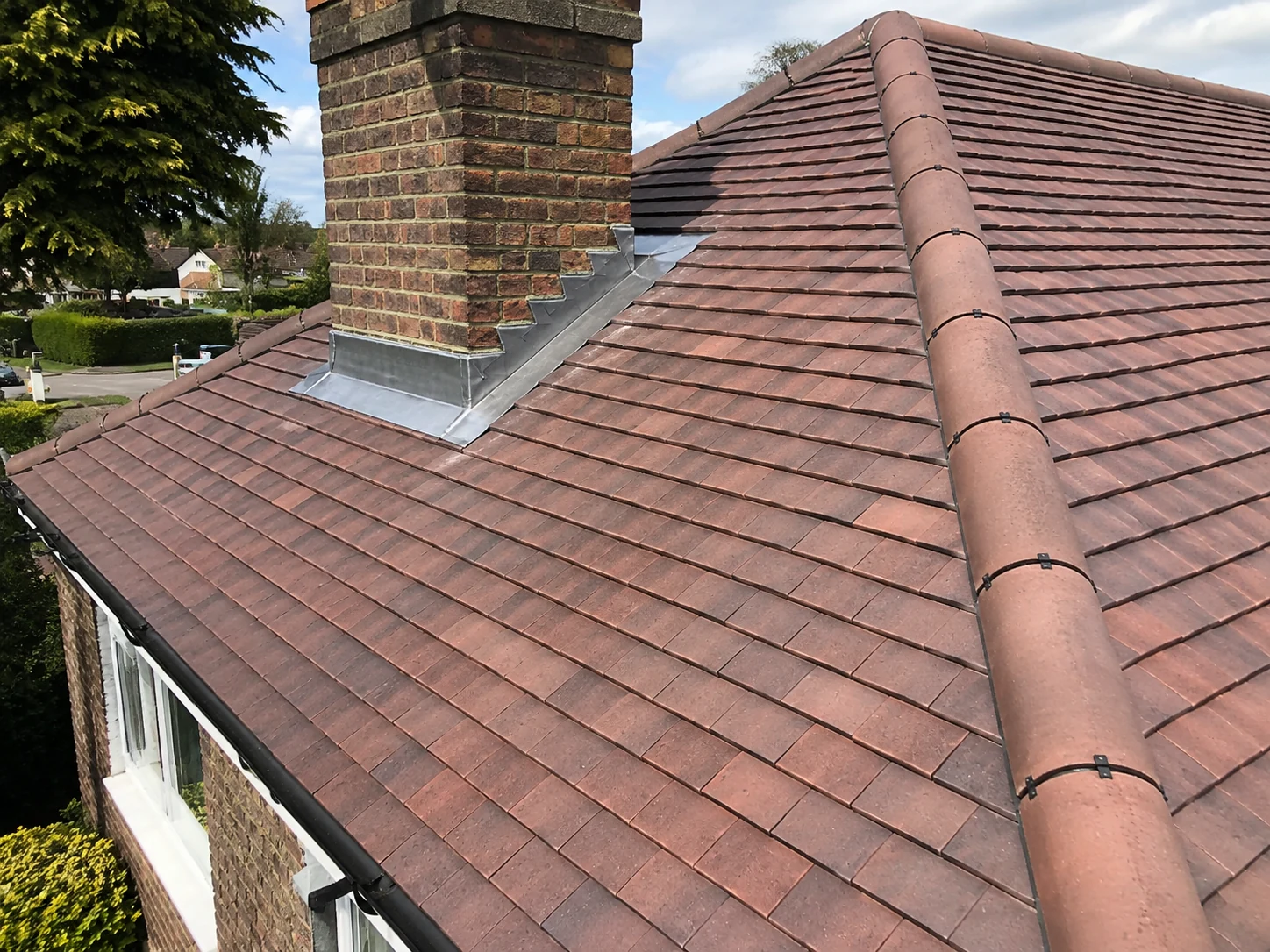
A proper inspection should be methodical. It starts with the history of the issue. When did the leak first appear? Does it happen in every rainfall or only during storms? Has any roof work been carried out recently? Are there recurring damp patches in the same location? These details help narrow the search.
External checks then look at the components most likely to fail. On pitched roofs, this can include cracked tiles, slipped slates, damaged fixings, worn mortar, open joints, defective leadwork, blocked gutters and failed roofline details. On flat and commercial roofs, the inspection may focus on surface splits, ponding, outlet blockages, upstands, seams, penetrations and perimeter details.
Internal checks are just as important. A loft inspection can reveal daylight through the covering, water trails on underlay, staining on timbers, wet insulation or signs that condensation is part of the problem. In commercial premises, ceiling voids, service penetrations and drainage points may also need checking.
Access matters too. Some faults cannot be confirmed from ground level. A safe close inspection may be needed, and in suitable circumstances an aerial survey can help identify defects that are difficult to see otherwise. If leadwork is suspected, it is useful to understand what an aerial view can and cannot confirm, especially around laps, cracks and hidden junctions. JNR Contracts has covered this topic in more depth in its guide to whether a drone roof survey can inspect lead flashing properly.
The best repair specification comes from evidence. Once the fault has been traced, the roofer can choose the right materials, repair the relevant detail and avoid disturbing sound parts of the roof unnecessarily.
How diagnosis prevents repeated patching
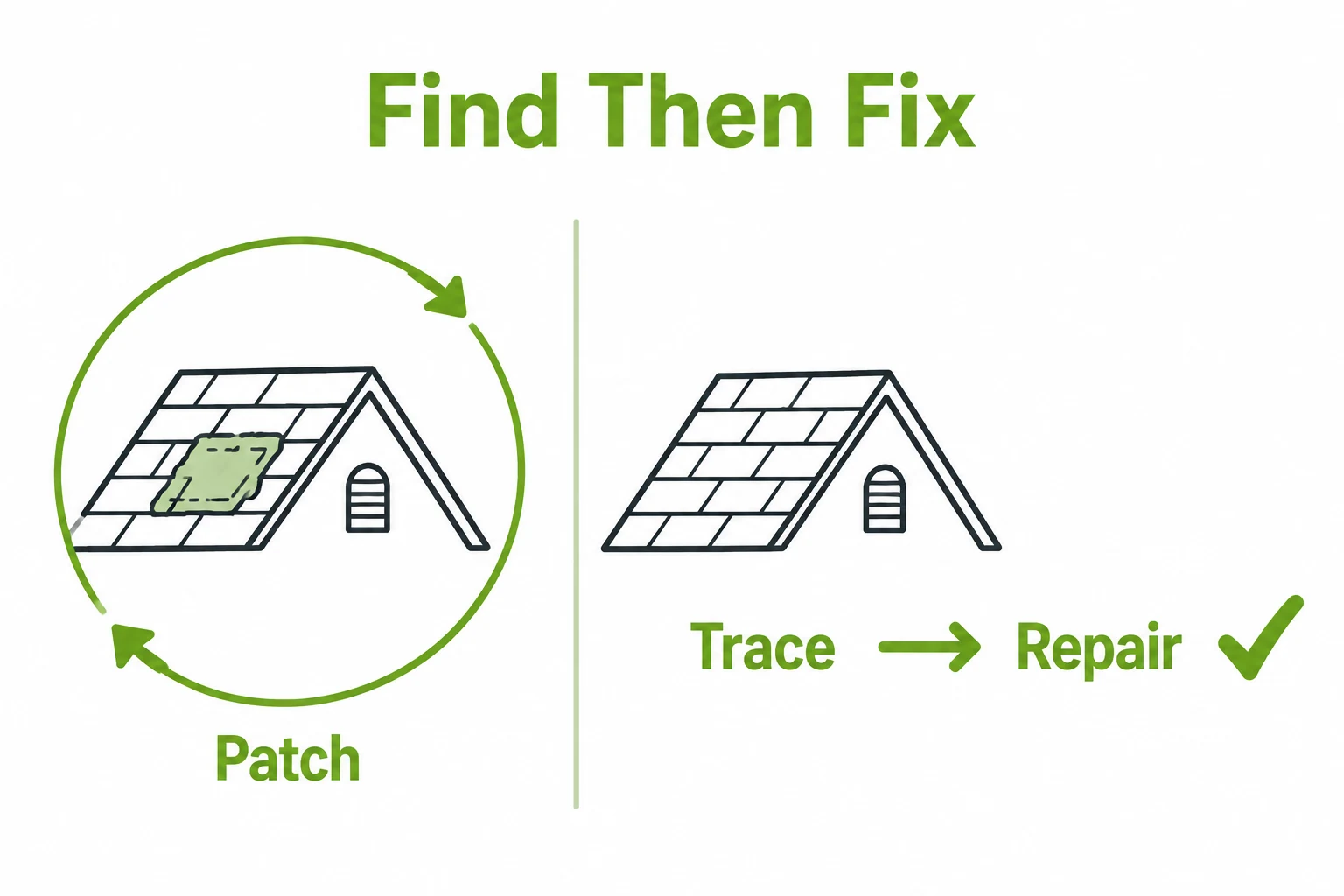
Patch repairs have a place. A small, localised defect can often be repaired neatly and efficiently when the cause is clear. The problem is patching without diagnosis. That approach treats the most obvious imperfection as the answer, even when the roof is telling a more complicated story.
Fault tracing helps prevent repeat visits for the same symptom by answering three questions before work starts:
- Where is water getting in?
- How is it travelling through the roof or building fabric?
- What needs to change so the route is closed properly?
Those questions can alter the repair plan. A loose tile may be visible, but the cause may be failed fixings across a wider area. A damp chimney breast may suggest flashing, but the issue may also involve open pointing or cracked flaunching. A ceiling stain under a flat roof may point to the roof membrane, but the outlet or upstand detail might be the main weakness.
For commercial roof repairs, the same principle matters even more because leaks can affect stock, equipment, tenants, staff areas and ongoing operations. A focused diagnosis helps prioritise the right work, plan access sensibly and keep the repair aligned with how the building is used.
Good diagnosis is also part of responsible maintenance. When a roofer identifies early warning signs, the owner can deal with them before they become more disruptive. That sits naturally alongside regular checks, gutter clearance, pointing repairs and planned building maintenance. For a broader view, JNR Contracts explains the value of routine upkeep in its article on regular building maintenance and preventing avoidable repair work.
When to call a roofer rather than keep watching the problem
Not every mark on a ceiling is an emergency, but active water ingress should be taken seriously. The sooner the fault is traced, the easier it is to protect the building fabric around it. Water can damage insulation, plaster, timbers, decorations and electrical fittings, so waiting for the next heavy rainfall is rarely helpful.
It is sensible to call a roofer if you notice:
- Water dripping or fresh staining during or after rain.
- Brown marks spreading across ceilings or upper walls.
- Missing, cracked or slipped roof coverings.
- Loose lead flashing, open mortar joints or visible gaps around junctions.
- Overflowing gutters or water running down external walls.
- Mould or damp smells near roof spaces, especially where ventilation is poor.
- Recurring leaks after previous patch repairs.
Some basic observations can help before the visit. Note when the leak appears, take photos of the internal staining, and keep a record of whether wind direction or heavy rainfall makes it worse. Avoid climbing onto the roof yourself. Roof work needs the right access, equipment and experience.
If you are unsure whether a visible issue needs professional attention, JNR Contracts has a useful guide to the common signs of roof damage and when to call in professionals. The key point is that early advice is often clearer than guesswork, especially where water has already reached the inside of the property.
What a useful repair recommendation should include
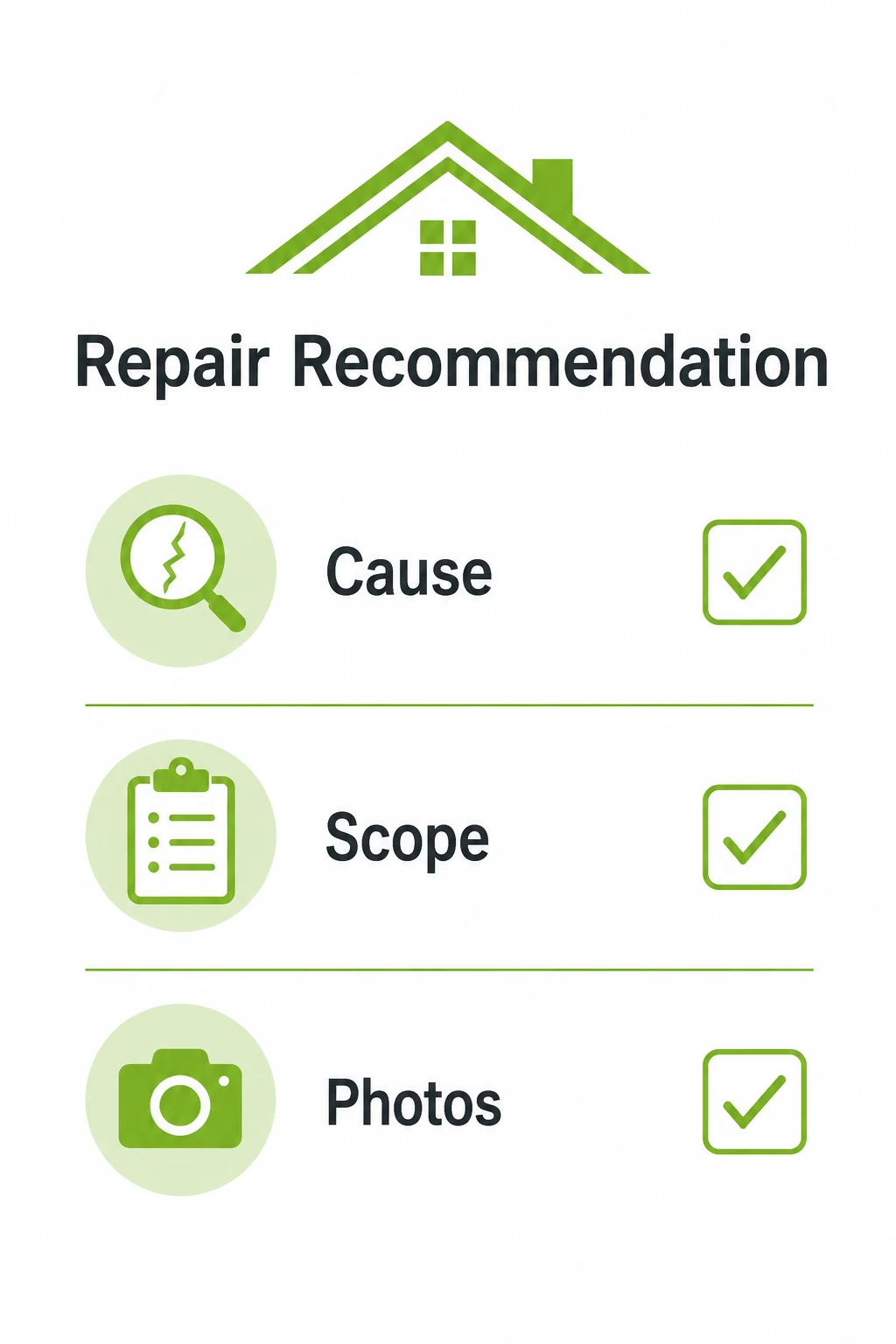
After fault tracing, the recommendation should be clear enough for the property owner to understand the logic. It should explain the likely cause, the affected area, the proposed repair and any related maintenance that would support the roof afterwards.
A strong recommendation might cover the roof covering, but also mention nearby details such as gutters, leadwork, brick repointing, ventilation, insulation or plaster repairs where relevant. Roofing does not sit apart from the rest of the building. Water ingress often crosses between trades, which is why a practical building maintenance approach can be valuable.
The repair itself should be proportionate. If a small defect is confirmed, a local repair may be the right answer. If the inspection shows wider deterioration, the recommendation should say so plainly and explain why a larger scope would give a better result. The difference is not about selling more work. It is about matching the repair to the evidence.
For property owners, the main thing to look for is confidence in the reasoning. A roofer should be able to explain why the chosen repair will address the water route, not just cover the visible symptom. That is what gives roof repairs their real value.
- A visible ceiling stain is not always directly below the roof defect causing it.
- Proper fault tracing identifies the route of water ingress before repair work begins.
- A good diagnosis helps avoid repeated patch repairs by dealing with the real cause.
- Roof leaks can overlap with gutters, brickwork, condensation, damp and internal finishes.
- The best repair recommendations are proportionate, evidence based and easy to understand.
Frequently asked questions
What is fault tracing on a roof?
Fault tracing is the process of finding where water is entering a roof and how it is travelling through the building before repair work is planned. It can include external inspection, loft checks, gutter and flashing checks, and aerial survey methods where suitable.
Why does my roof still leak after a patch repair?
A patch repair may fail to solve the issue if it only dealt with a visible defect rather than the true source of water ingress. Water can travel before appearing indoors, so the actual fault may be higher up, further along the roof, or connected to flashing, gutters or masonry.
Can a roofer tell the cause of a leak straight away?
Sometimes the cause is obvious, such as a missing tile or a blocked gutter. In other cases, the roofer needs to inspect several details and understand when the leak appears. A careful check gives a more reliable repair plan.
Should commercial roof repairs start with a survey?
Yes, a survey or structured inspection is usually the best starting point. Commercial roofs often include drainage outlets, penetrations, upstands and larger surface areas, so tracing the fault first helps target the repair properly.
Need a roof repair that starts with the right checks?
JNR Contracts can inspect the issue, trace the likely source of water ingress and recommend a practical repair based on what the roof is actually doing.