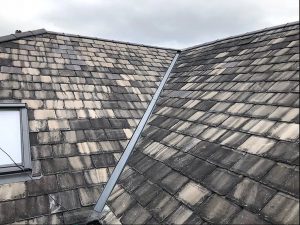
Moss and algae may seem like harmless greenery on your roof, but they can cause significant and costly damage over time. In the UK’s often damp and shaded conditions, these organisms thrive on rooftops, particularly those made of tiles or slates.
While the growth might initially appear cosmetic, it can quietly undermine the structural integrity of your roof if left untreated.
This blog will explore the real impact moss and algae can have on your roof’s longevity. We’ll also cover practical, preventative steps to maintain your roof in good condition.
By understanding the causes and risks, you’ll be better equipped to protect your home and avoid unnecessary repair bills.
Understanding Moss and Algae Growth
Moss is a soft, green plant that retains moisture like a sponge and commonly grows in shaded, damp areas. On roofs, it tends to take root between tiles or slats, particularly where sunlight is limited.
Algae, on the other hand, often appear as black streaks across the surface, caused by a type of airborne bacteria that feeds on moisture and limestone found in some roofing materials.
Roofs in the UK are especially prone to these issues due to the cool, wet climate and long periods of overcast weather. North-facing roofs and those shaded by trees or neighbouring buildings are even more vulnerable.
Poor ventilation, clogged gutters, and a lack of routine maintenance all contribute to creating the perfect environment for moss and algae to flourish.
The Hidden Damage to Roof Longevity
Moss holds onto water, which can cause roofing materials to remain damp for extended periods. This retained moisture can lead to the weakening and eventual deterioration of tiles, especially during winter when the freeze-thaw cycle expands trapped water and causes cracks.
Over time, this repeated stress may dislodge tiles and expose the underlay to further damage.
Algae, while less physically invasive, can still cause issues by accelerating the breakdown of roof surfaces and creating unsightly staining. In some cases, moss can even creep underneath tiles and lift them, breaking the waterproof seal and allowing rainwater to penetrate the roof.
This can eventually lead to internal damp problems, rot, and insulation damage if left untreated.
Why Ignoring It Could Be Costly
Many homeowners don’t realise the financial risk of ignoring moss and algae until it’s too late. If left untreated, these growths can shorten the lifespan of your roof significantly, leading to costly repairs or even a full replacement far earlier than expected.
The build-up can also hide underlying problems such as cracked tiles or damaged flashing, which go unnoticed until water begins seeping inside.
Additionally, neglecting visible moss and algae can lead to issues with insurers. Some policies may reject claims if it’s determined that roof damage resulted from a lack of maintenance.
There’s also the matter of kerb appeal—an overgrown, stained roof makes a property look uncared for and can reduce its value, especially if you’re thinking about selling.
Prevention Tips: Keeping Moss and Algae at Bay
The most effective way to manage moss and algae is through regular preventative maintenance. This includes routine roof inspections, especially after autumn and winter, to identify early signs of growth.
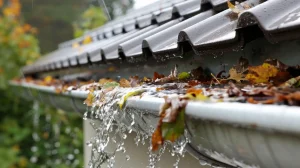
Keeping gutters clear is essential, as blocked drainage can lead to standing water that encourages moss to flourish.
Trimming overhanging trees also helps reduce the amount of shade and debris on your roof. You can also install zinc or copper strips near the roof ridge—these metals release ions when it rains, which act as a natural deterrent to moss and algae.
Additionally, specialist roof treatments such as biocides can be applied to kill off existing growth and prevent it from returning.
Safe and Effective Removal Methods
While removing moss might seem like a simple task, DIY methods can cause more harm than good. Pressure washing, for instance, can dislodge tiles, damage mortar, or force water beneath the surface. It’s best to avoid harsh cleaning methods and instead opt for gentle techniques carried out by professionals.
Soft washing, which uses low-pressure water and a moss-killing solution, is the safest option for most roof types. Professionals also have access to eco-friendly treatments that break down moss over time without damaging your tiles or harming nearby plants.
Hiring a qualified contractor ensures the job is done safely, thoroughly, and without risking your warranty.
Long-Term Roof Maintenance Advice
To keep your roof in good condition year-round, set up a regular inspection schedule. Visual checks from the ground every few months—combined with a more thorough professional inspection once a year—can help spot issues early. It’s worth inspecting after storms, too, as debris and moisture accumulation can quickly lead to moss and algae build-up.
Maintaining clear records of any roof maintenance or treatments is also wise, particularly if you ever need to make an insurance claim or sell the property.
If you manage multiple properties or work in housing management, implementing a planned maintenance programme will not only extend roof life but also reduce reactive repair costs over time.
Conclusion
Moss and algae are more than just an eyesore—they pose a real threat to the health and longevity of your roof. By retaining moisture and weakening tiles, they can lead to costly damage that often goes unnoticed until it’s too late.
Fortunately, with regular maintenance and some simple preventative measures, you can keep your roof clear and in excellent condition.
If you’re concerned about moss or algae on your property, get in touch with JNR Projects for expert advice and reliable roof maintenance solutions.