Roof ventilation is often overlooked but plays a vital role in the health of a building.
While most homeowners know about insulation and roofing materials, ventilation is often forgotten, despite being essential to a dry, energy efficient and structurally sound property.
In this blog, JNR Projects will look at what roof ventilation is, why it’s so important, the signs of poor ventilation and the different types of systems available.
We’ll also touch on UK building regulations and offer maintenance tips to keep your roof in top condition all year round.
What Is Roof Ventilation?
Roof ventilation is the system that allows air to circulate through the roof space of a property. It’s designed to create a continuous cycle of air that pushes out stale, moist air and draws in fresh, dry air.
This airflow prevents the buildup of excess heat and moisture that can cause long term structural problems.
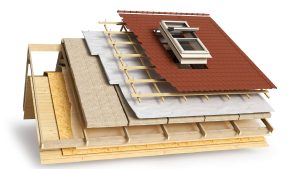
Most roof ventilation systems consist of a combination of intake and exhaust vents—soffit vents, ridge vents or gable vents—positioned strategically to ensure a flow of air.
Without this airflow, your roof space can become a breeding ground for condensation, mould and timber decay.
Why Roof Ventilation Is So Important
In the summer, heat can build up in the roof space, making your home hotter and more reliant on fans or air conditioning.
Proper ventilation regulates this temperature, allowing hot air to escape and keeping your living space cooler and more comfortable.
In the winter, roof ventilation is just as important for preventing moisture from getting trapped.
Moist, stagnant air can cause damp patches, rot and mould—all of which can compromise the integrity of your roof structure and potentially lead to expensive repairs.
Signs of Poor Roof Ventilation
A common sign of poor roof ventilation is condensation in your loft or on the inside of windows, especially in the winter.
This may be accompanied by a damp or musty smell, indicating moisture is building up in the roof space with no way to escape.
You may also notice peeling paint near the eaves, warped roofing timbers or an unexpected rise in your energy bills.
These issues can often be traced back to poor ventilation, which causes temperature extremes and traps moisture in the building fabric.
Common Types of Roof Ventilation Systems
There are several types of roof ventilation systems, each suited to different roof types and property layouts.
Passive ventilation, such as soffit and ridge vents, relies on natural airflow to move warm air out of the loft while drawing in cooler air from outside.
Mechanical systems, by contrast, use electric fans or turbines to actively move air through the roof space, making them ideal for properties with limited natural airflow.
Cross ventilation, achieved by placing vents on opposite sides of the roof, can also greatly improve air movement and overall ventilation efficiency.
Roof Ventilation and Building Regulations (UK Focus)
In the UK, building regulations require that adequate ventilation be provided in buildings to prevent condensation and maintain healthy indoor air quality.
These requirements apply to new builds and re-roofing projects, and failure to comply can result in building control issues or even structural failure.
BS 5250 is the British Standard that outlines how buildings should be designed to control condensation.
It gives guidance on the amount and placement of ventilation required depending on roof type, insulation level and other construction features.
Maintenance Tips for Good Ventilation
To keep your roof ventilation working well, you should inspect it regularly. Make sure vents are not blocked by debris, insulation or bird nests and check for signs of mould, damp or poor airflow in the loft space.
You should also keep the area around the soffit and eaves vents clear, both inside and out. In the winter months, it’s especially important to check for condensation buildup, which can indicate that warm, moist air isn’t escaping as it should.
When to Call a Professional
If you’re unsure if your roof is ventilated correctly or you’re experiencing persistent damp issues, it’s best to call in a professional roofer or building surveyor.
They can assess your current ventilation setup and recommend the best system for your property.
Professional installation ensures compliance with building regulations and helps avoid long term issues caused by poor airflow.
Whether you’re re-roofing or just doing routine maintenance, investing in good ventilation is always a good idea.

Conclusion
Roof ventilation is part of a healthy, energy-efficient, and structurally sound property. It regulates temperature, prevents moisture problems, and protects the building fabric of your home—but it is often the last thing on your mind.
Knowing the importance of roof ventilation and what to look out for, you can act now to maintain your roof space. If in doubt, speak to a professional to get your property ventilated and future-proofed against problems.