Your roof is one of the most important parts of your home, protecting you from the elements and keeping your property secure. However, over time, wear and tear can take its toll, leading to damage that, if left untreated, can result in costly repairs.
Recognising the early warning signs of roof damage can save you money and prevent more severe issues down the line.
Many homeowners overlook minor roofing problems until they escalate into major concerns. A small leak, a missing tile, or clogged gutters may not seem urgent, but they can quickly lead to structural damage, damp issues, and even health hazards from mould.
In this blog, we’ll explore the most common signs of roof damage and explain when it’s time to call in a professional roofer.
Visible Roof Damage
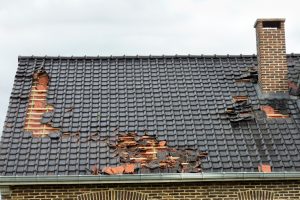
One of the easiest ways to spot roof damage is by looking for missing, broken, or cracked tiles or slats. These can occur due to harsh weather, falling debris, or simple wear over time.
Damaged roofing materials leave your home vulnerable to leaks, which can cause rot in the wooden structures beneath. Similarly, if shingles appear curled or are lifting at the edges, this indicates they are nearing the end of their lifespan and may soon fail.
Sagging roof sections are a more serious issue that should never be ignored. A dip in the roofline can suggest structural weakness, often caused by prolonged water damage or issues with the roof supports.
If you notice any part of your roof sinking or bowing, it’s crucial to get a professional assessment as soon as possible, as the roof’s integrity may be compromised.
Water-Related Issues
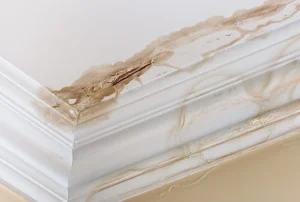
Leaks and water stains on ceilings or walls are some of the clearest indicators of roof damage. If you notice dark patches, peeling paint, or damp spots inside your home, there’s a high chance that water is getting through your roof.
Even if the leak seems minor, it can quickly worsen, leading to mould growth, rotting timber, and weakening of the building’s structure.
Blocked or overflowing gutters can also contribute to roof problems. If gutters become clogged with leaves, moss, or debris, rainwater cannot drain away properly and may start pooling on your roof.
Over time, this can lead to water seeping into the roofing materials, causing leaks and dampness. Regular gutter maintenance can help prevent these issues and extend the life of your roof.
Interior Warning Signs
If you go into your loft and notice dampness or mould, this could be a sign that your roof isn’t providing adequate protection. Poor ventilation, leaks, or condensation buildup can all contribute to moisture problems in your loft space.
Over time, this moisture can lead to mould growth, which not only damages the structure but can also pose health risks to those living in the home.
Another clear indicator of roof damage is daylight visible through the roof. If you can see light shining through gaps in your roof from inside your loft, then there are likely missing or damaged tiles that need replacing.
Even small openings can allow rain and cold air to enter, leading to further problems if not addressed quickly.
Weather-Related Damage
Severe weather conditions can have a major impact on the condition of your roof. After heavy rain or storms, it’s important to check for any signs of damage, such as loose tiles or debris that has fallen from the roof.
Strong winds can lift roofing materials, exposing the underlayers and making your home susceptible to water damage. Ignoring storm damage can result in leaks that worsen over time, leading to costly repairs.
During winter, snow and ice buildup can also pose a threat to your roof. Ice dams—formed when snow melts and refreezes at the roof’s edge—can prevent proper drainage, causing water to seep under the tiles.
The weight of accumulated snow can also put stress on the structure, potentially leading to cracks or even collapse in extreme cases. Regular inspections after severe weather can help prevent these problems.
When to Call in the Professionals
While some homeowners may be tempted to attempt roof repairs themselves, this can often do more harm than good. Roofing work requires specialist knowledge, the right materials, and safety precautions.
Climbing onto a damaged roof without the proper equipment can be dangerous, and incorrectly fitted repairs can lead to further problems down the line. For peace of mind, it’s always best to consult a qualified roofer.
Professional roofers have the expertise to assess damage properly and carry out necessary repairs to ensure long-term protection. Regular roof inspections, ideally once or twice a year, can help identify minor issues before they turn into major repairs. By acting quickly and calling in a professional when you spot warning signs, you can protect your home and avoid costly damage.
Conclusion
Spotting the early signs of roof damage can save you a great deal of stress and money in the long run. From missing tiles to damp patches on your ceilings, paying attention to these warning signs can help you take action before the damage worsens.
Preventative maintenance and regular inspections are key to keeping your roof in top condition.
If you suspect your roof may be damaged, don’t wait until the problem escalates. Contact a professional roofing contractor for an assessment and ensure your home remains protected from the elements.
Investing in roof maintenance now can prevent expensive repairs in the future and give you peace of mind that your home is secure.