Damp is a common problem in UK homes, caused by too much moisture in the air or structural issues that allow water to seep into a property. If left untreated, damp can have serious consequences, from structural damage to health issues caused by mould and mildew.
Not only can it weaken walls, ceilings and floors over time, but it can also trigger asthma and allergies.
Knowing the signs of dampness early can help homeowners take action to stop the damage. In this blog we’ll look at the common signs of damp, the causes and practical solutions to get rid of and prevent damp in your home.
Whether you’re dealing with condensation, rising damp or penetrating damp this guide will give you the knowledge to tackle the problem effectively.
Common Signs of Damp in Your Home
The first sign of dampness is often visible mould and mildew, which appear as dark patches on walls, ceilings, and windows. This is especially noticeable in areas with poor ventilation such as bathrooms, kitchens and behind furniture.
Another telltale sign is peeling or bubbling wallpaper and paint, which occurs when moisture seeps into walls and the adhesive breaks down. If left unattended,ed this can lead to more extensive damage, including crumbling plaster and weakened structure.
A persistent musty smell is another key sign of dampness, even if there are no visible signs of mould. Cold and clammy walls are often a sign of excess moisture, especially in rooms with poor insulation.
Also, tide marks or staining on walls, often brown or yellow, indicates water has been absorbed into the plaster. These signs should not be ignored, as dampness will only get worse over time and lead to costly repairs.
Causes of Damp
Condensation is one of the most common causes of dampness in homes, especially in modern, well-sealed properties with poor ventilation. It occurs when warm air meets cold surfaces and moisture builds up.
This is especially problematic in kitchens and bathrooms, where high humidity is common. Without adequate air flow, condensation can quickly turn into mould growth, damaging walls, ceilings and furniture.
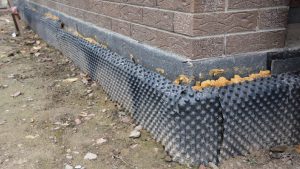
Rising damp is another issue caused by groundwater rising up through walls due to a failed or missing damp-proof course (DPC). It often appears as damp patches and tide marks on ground floor walls.
Penetrating damp occurs when water enters a building through external defects such as cracked brickwork, broken roof tiles or blocked gutters. Plumbing leaks such as faulty pipes or radiators can also cause localised damp patches often mistaken for other types of moisture-related damage.
How to Fix Damp Issues
Improving ventilation is one of the best ways to reduce damp, especially in areas prone to condensation. Installing extractor fans in kitchens and bathrooms can help remove excess moisture from the air.
Also, opening windows regularly, using trickle vents and ensuring good air flow throughout your home can reduce humidity levels. For homes with persistent condensation issues, a dehumidifier can be a good investment to remove excess moisture from the air.
For more serious cases of damp, such as rising or penetrating damp, fixing the root cause is key. Fixing external damage such as repairing gutters, replacing damaged roof tiles and sealing cracks in brickwork can prevent water from entering the property.
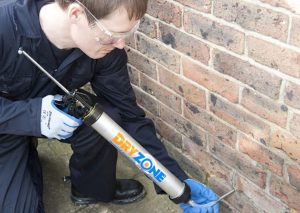
Upgrading insulation, especially in cavity walls and loft space, can also help regulate indoor temperatures and reduce condensation. In cases where dampness persists, professional damp proofing treatments such as chemical injections or tanking may be required.
Preventing Damp in the Future
Regular home maintenance is key to preventing damp from developing in the first place. Checking gutters, downpipes and roofing for damage can help ensure rainwater is diverted away from your property.
Keeping an eye on external walls for signs of wear and tear such as cracks or missing pointing can also help prevent water ingress. If you live in an older property it may be worth investing in a damp-proof course to protect against rising damp.
Managing indoor humidity is also important. Simple habits such as drying clothes outside rather than indoors, keeping furniture slightly away from walls to allow air flow and using extractor fans when cooking or showering can all help prevent moisture build up. By being proactive and addressing damp issues early you can protect your home and avoid costly repairs in the future.
Conclusion
Damp is a big issue if left unchecked, and it can cause long-term damage to your home and your health. Knowing the signs, understanding the causes and acting early can save homeowners time and money. Whether it’s improving ventilation, fixing leaks or investing in damp proofing solutions, there are many ways to tackle and prevent damp.
By being on top of home maintenance and managing moisture levels, you can create a healthier and more comfortable living space.
If dampness issues persist despite your best efforts, seek professional advice. Don’t let damp take over your home, act early to keep your home in the best condition possible.